Your Daily Breathwork Plan
Take a Deep Breath - Guided Programme

Your Day,
Your Breathwork

Tap any moment in your day to see exactly what to do and how to do it.

🚗
Morning Commute
Drive to Work
Nasal breathing if driving - humming or coherence if passenger
Not while driving Never practise structured breathwork at the wheel. The following applies whether you are driving or in a passenger seat - but the humming and coherence options are for passengers only.
If You Are DrivingBackground habit only
  • 1Mouth closed, nose only from the moment you start the engine. No effort, just a closed mouth as the default for the 13 minutes.
  • 2Thirteen minutes of nasal-only breathing is itself a CO2 training session. The resistance of the nose naturally slows the breath and produces a calmer baseline before you arrive.
  • 3A blocked nose will usually clear within one or two minutes of nasal breathing. If it does not, a gentle double exhale through the nose often does it.
If you are a passenger or in an Uber
HmS04
Passenger Only
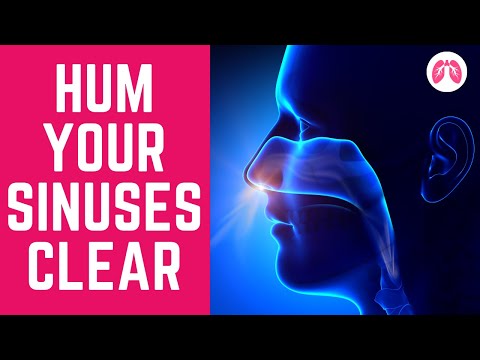
Humming Breath
Hum on the exhale. Arrive calmer than when you left.
Humming Breath
🫁
Nitric Oxide
Humming produces 15x more nitric oxide in the sinuses than silent breathing, opening airways and improving oxygen uptake.
🧠
Vagus Nerve
The vibration on the exhale stimulates the vagus nerve directly, switching the nervous system into calm before you arrive.
⏱️
Slows the Breath
Humming is the single most effective way to extend the exhale naturally and without force - no counting needed.
🤫
Invisible
A low, soft hum is inaudible to anyone nearby. Aim for a frequency that gently tingles the nose and teeth.
Pro tipTry to find a pitch that creates a gentle vibration in your top teeth and nose. That is a good sign you are at the right frequency. Start the moment you get in the car.
 Full 13 min commute
or
CoS01
Passenger Option
Coherence Breathing
Equal breathing with the track. Arrive regulated.
Coherence Breathing
 Full commute
🌅
After Work
Before Dinner
Coherence breathing with legs up - falling asleep is a win
If you fall asleep during this, that is a win. It means the nervous system is doing exactly what it needs to. Do not resist it. If you want to stay awake, do it seated with the lights on.
CoS01
Before Dinner
Coherence Breathing
Legs elevated, eyes closed, track playing. Transition from work to home.
Coherence Breathing
Position is half the practice. Lie on your back and swing your legs up against a wall, on a sofa, or on a stack of pillows. Hips and knees at roughly 90 degrees. This drains the legs, releases the lower back, and removes the postural tension that locks the diaphragm after a day of sitting. Give it a few natural breaths to settle, then press play.
 15 to 20 min
💑 Optional - for both of you

Sit back-to-back with your husband and just try to synchronise your breathing. No technique, no counting. The only goal is to find the same rhythm as each other. It takes a couple of minutes to settle into and is quietly wonderful. A good one for the end of a long week.
🌙
Bedtime
In Bed
4-6 breathing with three ways to extend the exhale naturally
Start with the 4-6 exercise. If extending the exhale feels forced, pick one of the three techniques below it. Equal breathing (4 in, 4 out) is always valid if 4-6 is not sitting right on a particular night.
46S08
In Bed
4-6 Breathing
Four counts in, six counts out. The longer exhale slows the heart.
4-6 Breathing
 Until sleep arrives
💡
If the exhale feels forced
Three ways to extend it naturally, without effort
  • 1
    Hum on the exhale. The single best way to slow the breath down. The vibration in the throat physically constricts the airway and forces the air out slowly. A very soft, quiet hum works perfectly in bed.
  • 2
    Ujjayi - gentle throat constriction. Slightly narrow the back of the throat as if trying to fog up a mirror, but with your mouth closed. The air slows on its own. Keep it very soft - it should be barely audible. If it feels like it is stimulating rather than calming, ease off and try option 1 instead.
  • 3
    Take a smaller inhale. Counterintuitive but effective. A huge inhale creates so much pressure that it forces the air out quickly regardless of what you do. Try a softer, quieter inhale - about 70% of full - and the exhale will naturally be easier to extend.
RememberEqual breathing - four in, four out - gives around 99% of the same benefits as four in, six out. If the 4-6 ratio is not sitting right on a particular night, the equal breath is not a compromise. It is a completely valid practice.
Sleep Tool
Myotape - Mouth Tape
Use it every night - you already know this one works

A gentle lip-area tape worn during sleep to encourage nasal breathing throughout the night. Unlike full-mouth tape, Myotape sits around the lips rather than sealing the mouth shut, making it comfortable for side and stomach sleepers. The mouth can open in an emergency, but the tape provides a gentle reminder to keep it closed.

Consistent nasal breathing during sleep produces nitric oxide continuously through the night, improves blood oxygen, and significantly reduces snoring. If you are not already wearing it every night, that is the single highest-leverage sleep habit in the plan.
🌿
Anytime
How to Ground Yourself
Do Nothing, a 60-second reset, or a reminder that actually works
When the day is running away with you. You do not need a long practice. Even 60 seconds of any of these is enough to interrupt the tornado and bring you back to the room.
Do
Full Reset
Do Nothing Exercise
Follow the guide. Give yourself permission to stop doing.
Do Nothing Exercise
 15 to 20 min
60-Second Grounding Reset
Use this between meetings or when things feel like too much
  • 1
    Touch something. Place both hands flat on your desk or thighs. Feel the texture and temperature. Your nervous system uses touch to orient itself in the present moment.
  • 2
    Look past your screen. Deliberately shift your gaze to something in the room that is more than two metres away. Let your eyes soften. Tunnel vision is a stress signal - widening the field of view is the antidote.
  • 3
    Take one long exhale. Not a technique, just a sigh. Let the body do what it wants to do. Notice where you feel it in the body.
  • 4
    Ask yourself one question: How do I feel right now? You do not need to do anything with the answer. Just noticing is the practice.
⏰ Making Awareness Actually Happen at Work

The tornado is real. Without a prompt, awareness does not happen. Pick one of these and set it up today.

📅
Calendar blocks. Add a five-minute event called "Breathe" at the same time each day - admin time, before lunch, or mid-afternoon. Treat it like any other meeting.
Watch or phone alarm. Set a silent vibration every 45 to 60 minutes. When it fires, pause for two breaths. That is all. One of those two breaths being nasal and slow is the whole practice.
📌
Sticky note on the screen. A single word. "Breathe." When your eyes land on it, that is the cue. Low-tech but disproportionately effective.
🥋
Your Tai Chi practice already counts. The equal breath rhythm you naturally fall into during Tai Chi is genuine breath awareness. It is not separate from the plan - it is part of it.
💜
During the Day
Breath Awareness
Your Relaxator - get it back out and put it on the desk
You already have one. Get it back out. Keep it somewhere visible - on the desk, kitchen counter, or beside the sofa. Reaching for it is the only decision you need to make.
The Relaxator
Conscious Breathing Institute - Anders Olsson

Place it between the lips, inhale through the nose, exhale through the Relaxator. The resistance naturally prolongs the exhale without any counting or effort on your part - which is exactly what makes it the right tool for someone whose exhale feels forced when counting.

Use the easiest resistance setting. There is no benefit to making it hard. The lowest setting used for ten minutes during emails is far more valuable than the highest setting used once and put away.

A good habit: put it in when you open the laptop for emails and take it out when you stand up. Pair it with soft coherence music in the background if that appeals. The device does the exhale work. Your job is just to show up.

Your Plan in One Line

Nasal breathing in the car. Legs up and coherence after work. The Relaxator during emails. A 60-second reset between meetings. Four in, six out in bed. None of this requires a new slot in your day - just a new habit inside the ones you already have. You already know how to do all of this. The plan is just the reminder.